Current condition
Identify the oil and record the actual filling temperature, suspended material where relevant, and storage and transfer conditions. Keep those observations with the sample and production state used for the trial.

Plan edible-oil filling trials around oil temperature, supply conditions, fill quantity, nozzle cut-off, bottle-neck cleanliness and changeover evidence.
Record oil types, operating temperatures, suspended material and the upstream storage and transfer conditions. Trial fill consistency, start and stop, clean cut-off and bottle-neck condition with representative oils and bottles, including replenishment and a normal restart.
For routine production using edible-oil filling and bottling, describe the realistic range and how changes in oil properties and filling temperature affect the result you need.
Plan edible oil filling machines around your product, pack range, target output, cleaning needs and finished-pack checks. Discuss a practical line concept with Lancing using representative samples. Use this guide to resolve oil properties and filling temperature before it limits the final system.
Discuss your application
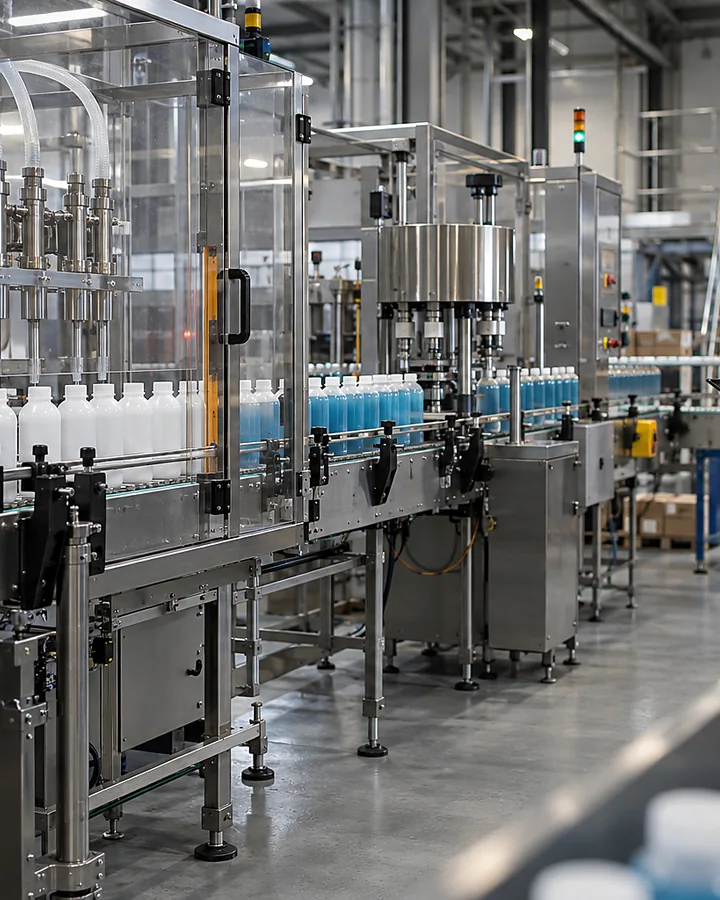
Identify the oil and record the actual filling temperature, suspended material where relevant, and storage and transfer conditions. Keep those observations with the sample and production state used for the trial.
Cover the intended oils and operating temperatures, changes during supply or replenishment, and a normal pause and restart. Include oil changes rather than testing only one sample at one steady condition.
Observe whether the changed oil or temperature affects individual fill quantities, start/stop behaviour, clean nozzle cut-off and the condition of the bottle neck before closing. Record the settings and cleaning or restart checks associated with each result.
Link each fill result to the oil, its actual temperature and the storage and transfer conditions. Record supply changes at startup and replenishment so the result can be repeated under the same conditions.
Use representative bottles and closures, including restrictive necks and shoulders. Observe nozzle access, withdrawal and neck cleanliness as filled bottles transfer to capping.
State the target quantity, whether it is controlled or checked by volume or mass, and the agreed acceptable range. Retain individual readings and measurement conditions; if weighing is used to check volume, record the actual density and temperature.
Count accepted filled and closed bottles over an agreed period. Record replenishment, pauses, operator tasks and rejects alongside the output so an oil-related interruption is visible in the trial record.
Record draining, retained oil, product-contact paths and the approved cleaning method for an oil change. Keep the settings and checks used to reach an accepted restart on the next oil.
Keep quantity results separate from nozzle drips, neck or thread cleanliness, external oil and closure condition. Retain startup, steady-run and restart samples, and agree how unacceptable bottles will be handled.